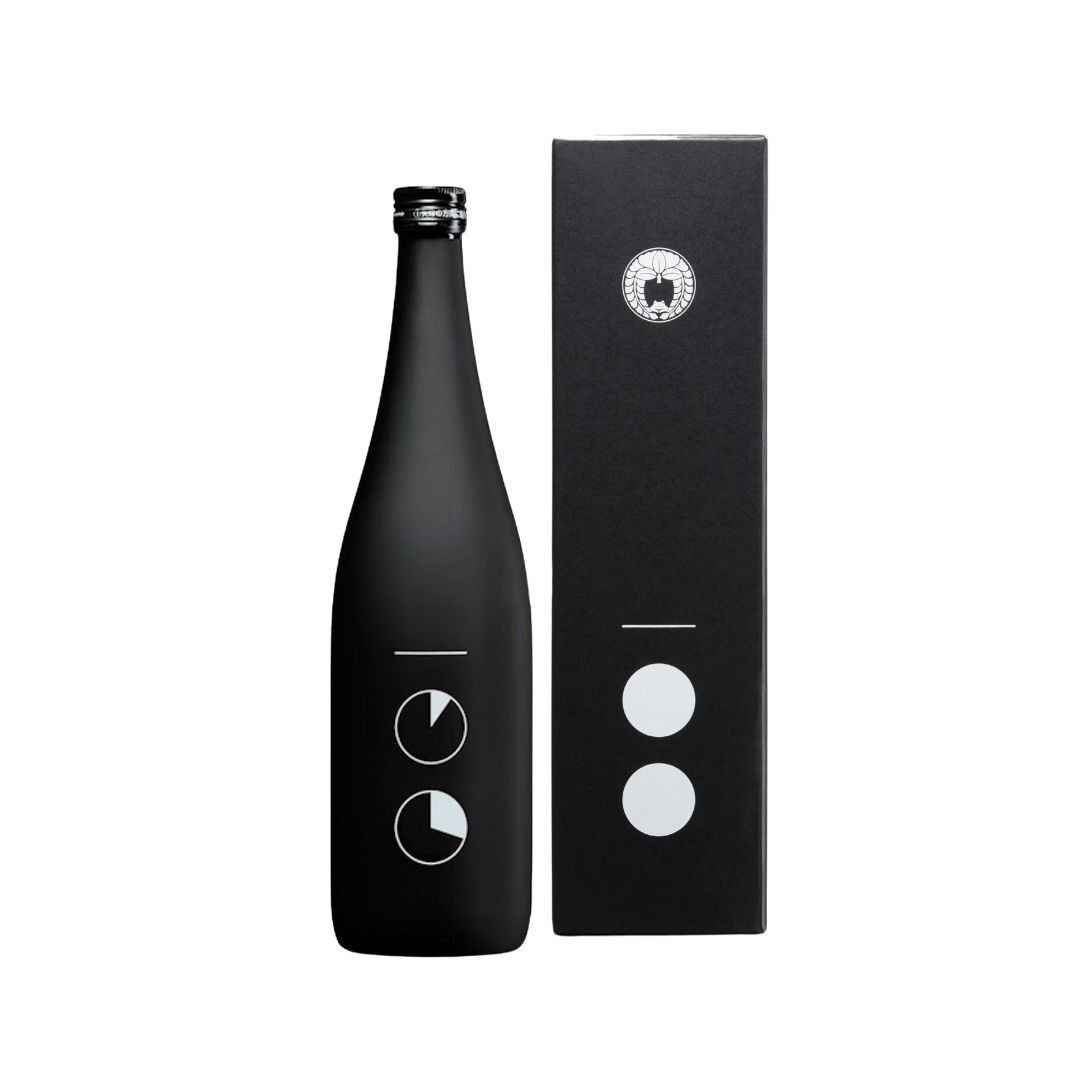
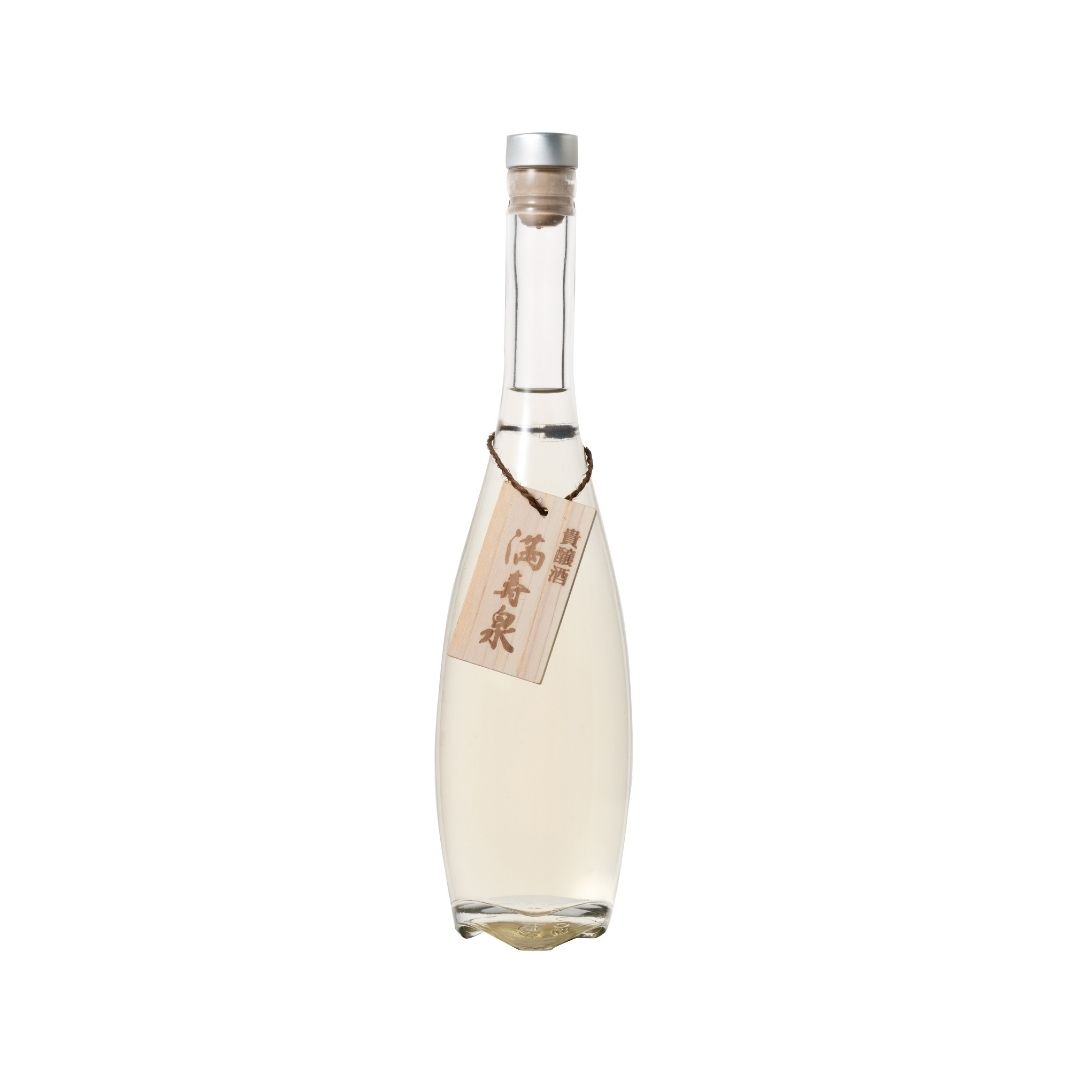
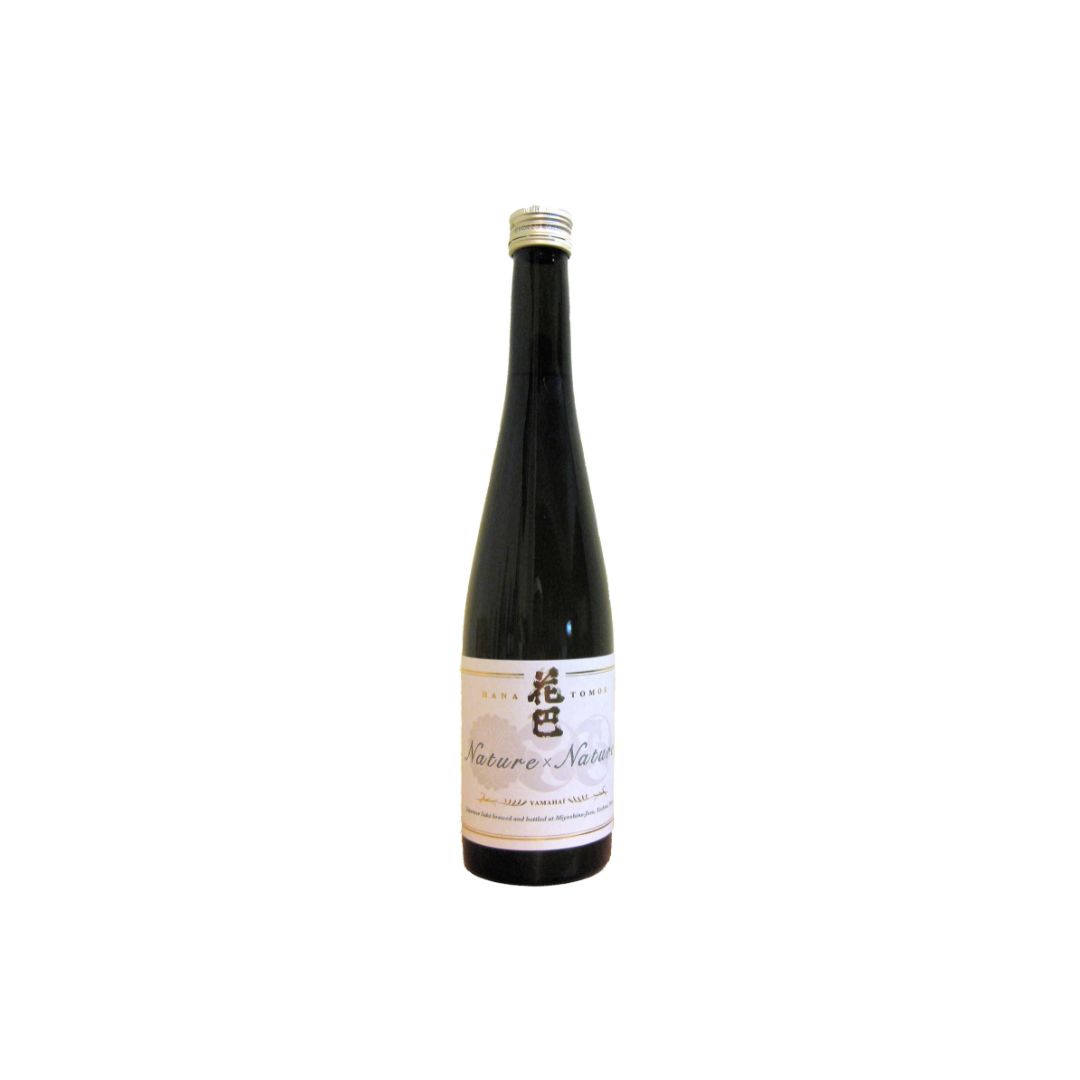
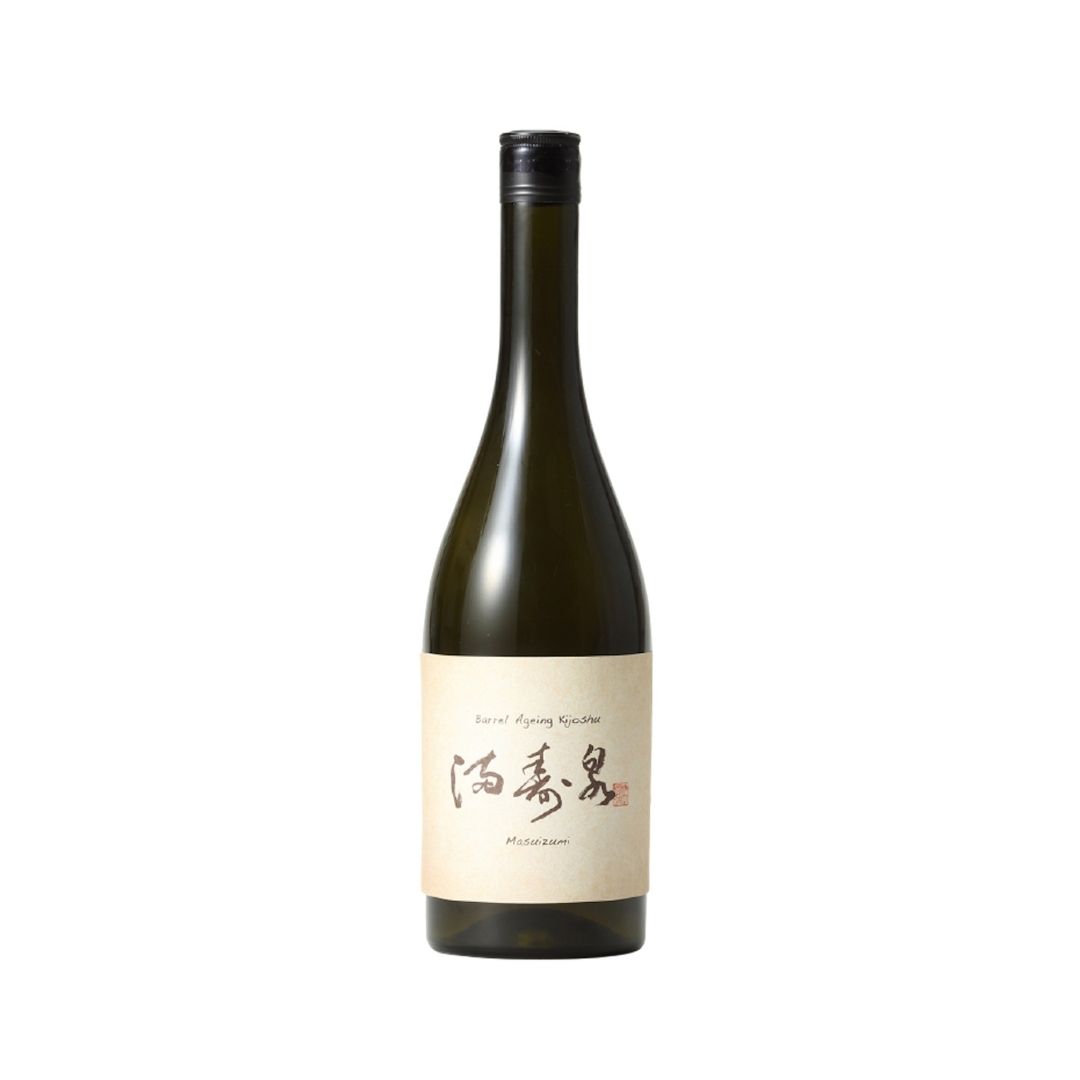
Kijoshu (貴醸酒) is a distinctive Japanese sake brewing method in which a portion of the brewing water is replaced with previously brewed sake. This changes the conditions of fermentation, often resulting in sake with pronounced sweetness, a smooth texture and complex aromas. Yet modern interpretations demonstrate that Kijoshu can also be remarkably fresh and light.
What Is Kijoshu?
The Japanese term Kijoshu (貴醸酒) can be loosely translated as "preciously brewed sake". The character 貴 (ki) conveys the idea of something precious or valuable, while 醸 (jō) refers to brewing or fermentation. Unlike conventional sake production, Kijoshu uses previously brewed sake as an additional ingredient.
It replaces a portion of the brewing water, influencing fermentation and the flavour profile of the finished sake.
Kijoshu is not an official sake classification such as Junmai Ginjo or Junmai Daiginjo. Instead, the term describes a specific brewing method.
The Origins and History of Kijoshu
The modern Kijoshu brewing method was developed in Japan during the 1970s. At the time, brewing researchers were exploring ways to produce a richer, sweeter sake with a distinctive character.
In 1973, Japan's National Research Institute of Brewing developed a technique in which part of the brewing water was replaced with previously brewed sake.
The innovation lay in allowing the desired sweetness to develop naturally during fermentation rather than through additions after brewing.
This approach gave rise to a distinctive sake style that Japanese breweries continue to interpret in different ways today.
How Is Kijoshu Made?
Understanding the Fermentation Process
To appreciate what makes Kijoshu different, it helps to understand the fundamentals of sake brewing. Conventional sake is made from steamed rice, koji rice, water and yeast.
Enzymes produced by the koji mould (Aspergillus oryzae) break down rice starch into fermentable sugars, while yeast simultaneously converts those sugars into alcohol. These two processes occur at the same time, a characteristic of sake brewing known as multiple parallel fermentation.
The main fermentation mash, called moromi, is typically built up in three stages using a method known as sandan-jikomi.
The Key Difference
In the traditional Kijoshu method, part of the water added during the final stage of mash preparation is often replaced with previously brewed sake.
This introduces additional alcohol into the fermenting mash. The increased alcohol concentration can restrict yeast activity, while koji enzymes continue converting rice starch into sugar. As a result, more of the sugar produced during fermentation may remain in the finished sake.
The characteristic sweetness of many Kijoshu therefore develops through altered fermentation conditions rather than the addition of sugar after brewing.
The final level of sweetness depends on several factors, including the amount of sake added, the timing of its addition and how fermentation is managed.
What Does Kijoshu Taste Like?
Many traditional Kijoshu are known for their pronounced residual sweetness, full body and smooth, sometimes almost syrupy texture. However, their character is shaped by the balance of several sensory elements.
Sweetness and texture: Higher residual sugar levels can contribute to a richer body and a smooth, rounded mouthfeel.
Acidity: Acidity provides an important counterbalance to sweetness. A lively acidity can make even a sweeter Kijoshu taste fresh and vibrant.
Aromas: Younger examples may display fruity, floral or citrus notes, while aged Kijoshu can develop aromas reminiscent of honey, dried fruit, caramel, nuts and spices.
The flavour profile depends on the brewing technique, ingredients and any subsequent ageing. Kijoshu is therefore far from being a single, uniform style.
TEDORIGAWA Layered – A Modern Interpretation of Kijoshu
With TEDORIGAWA Layered, Yoshida Brewery in Ishikawa Prefecture presents a contemporary interpretation of this distinctive brewing method. Layered combines Kijoshu production with the Yamahai method, a traditional approach to preparing the fermentation starter in which lactic acid develops through naturally occurring microbial processes.
This technique can contribute distinctive acidity and greater flavour complexity.
The brewery uses Ishikawamon rice polished to 60% of its original size. With an alcohol content of just 11% ABV, Layered is comparatively light.
Fruity notes of citrus and ripe honeydew melon meet delicate sweetness, lively acidity and subtle umami depth.
This balance sets Layered apart from many traditional, intensely sweet Kijoshu. Rather than emphasising richness and weight, it offers a fresh, multidimensional flavour experience.
Kijoshu vs Koshu: What Is the Difference?
The terms Kijoshu and Koshu are sometimes confused, but they refer to different characteristics of sake. Kijoshu describes a brewing method in which a portion of the water is replaced with previously brewed sake.
Koshu (古酒) refers to aged sake. During ageing, chemical reactions can alter a sake's colour, aroma and flavour. Reactions between sugars and amino compounds, in particular, can contribute to darker colours and complex notes of caramel, nuts and dried fruit.
A Kijoshu can also be considered Koshu if it has undergone sufficient ageing. However, ageing is not a requirement for Kijoshu.
Frequently Asked Questions About Kijoshu
Is Kijoshu Always Sweet?
Many Kijoshu have noticeable residual sweetness. However, the perception of sweetness also depends on acidity and the brewing method. Modern interpretations can be surprisingly fresh and well-balanced.
Is Sugar Added to Kijoshu?
In traditional Kijoshu production, the characteristic sweetness develops through altered fermentation conditions. More of the sugar produced from rice starch may remain in the finished sake, without the need to sweeten it after brewing.
Does Kijoshu Have a Higher Alcohol Content?
Not necessarily. The alcohol content depends on the recipe and fermentation process. TEDORIGAWA Layered, for example, has an alcohol content of just 11% ABV.
Can Kijoshu Be Served Warm?
Yes, depending on the style. Serving temperature influences how we perceive sweetness, acidity, texture and aroma. While some Kijoshu are particularly refreshing when chilled, others reveal additional aromatic nuances at warmer temperatures.
Is Kijoshu a Dessert Sake?
Kijoshu is often described as dessert sake because many examples have pronounced sweetness. However, this description is too restrictive. Kijoshu is defined by its brewing method, not by a specific level of sweetness or serving occasion.
Conclusion: One Brewing Method, Many Possibilities Kijoshu demonstrates how even a single change in the brewing process can significantly influence the character of sake. Replacing part of the brewing water with previously brewed sake gives brewers additional ways to shape sweetness, texture and aromatic complexity.
The spectrum ranges from intensely sweet, aged expressions to fresh, contemporary interpretations such as TEDORIGAWA Layered.
The character of sake is determined not only by its ingredients, but also by how the brewery works with them.