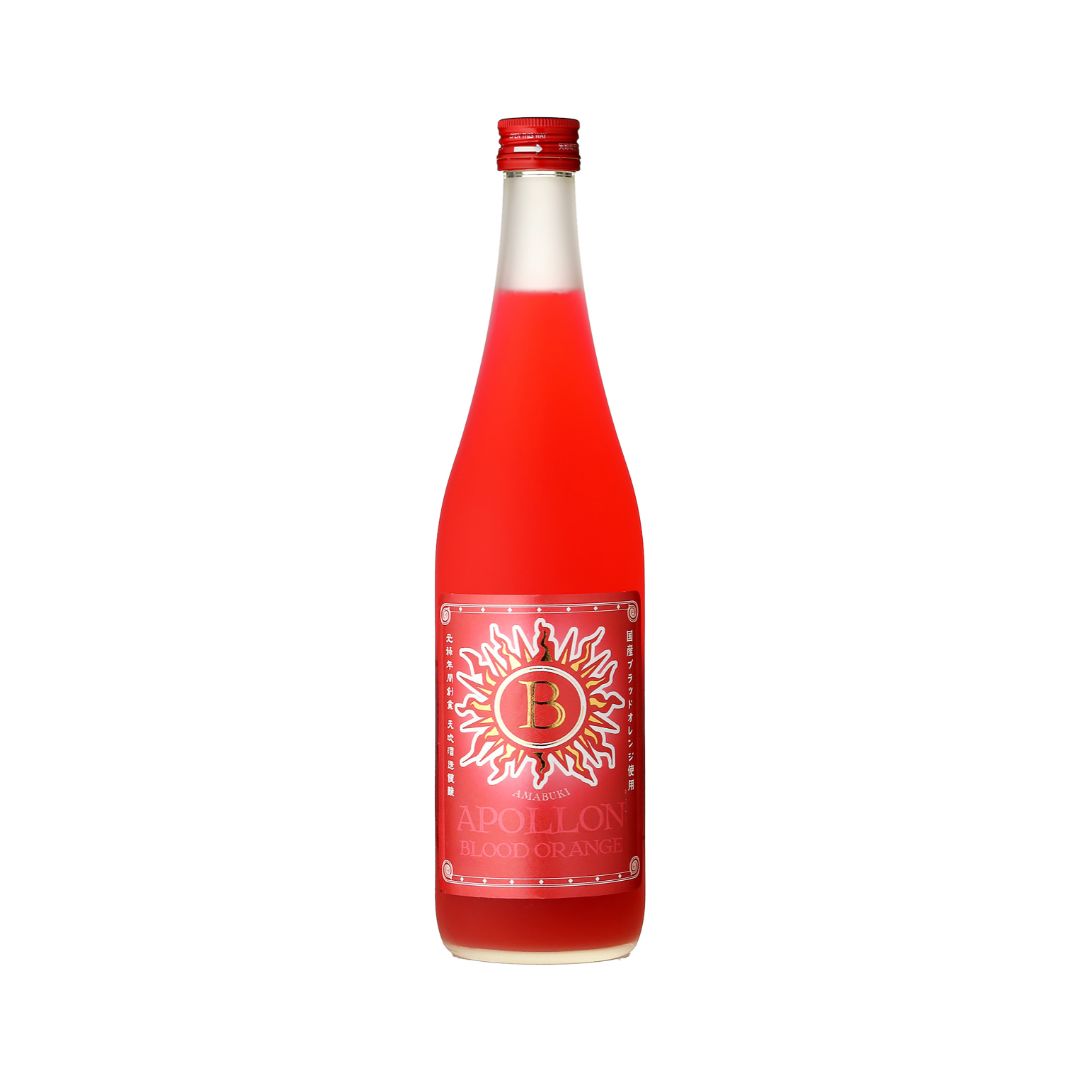
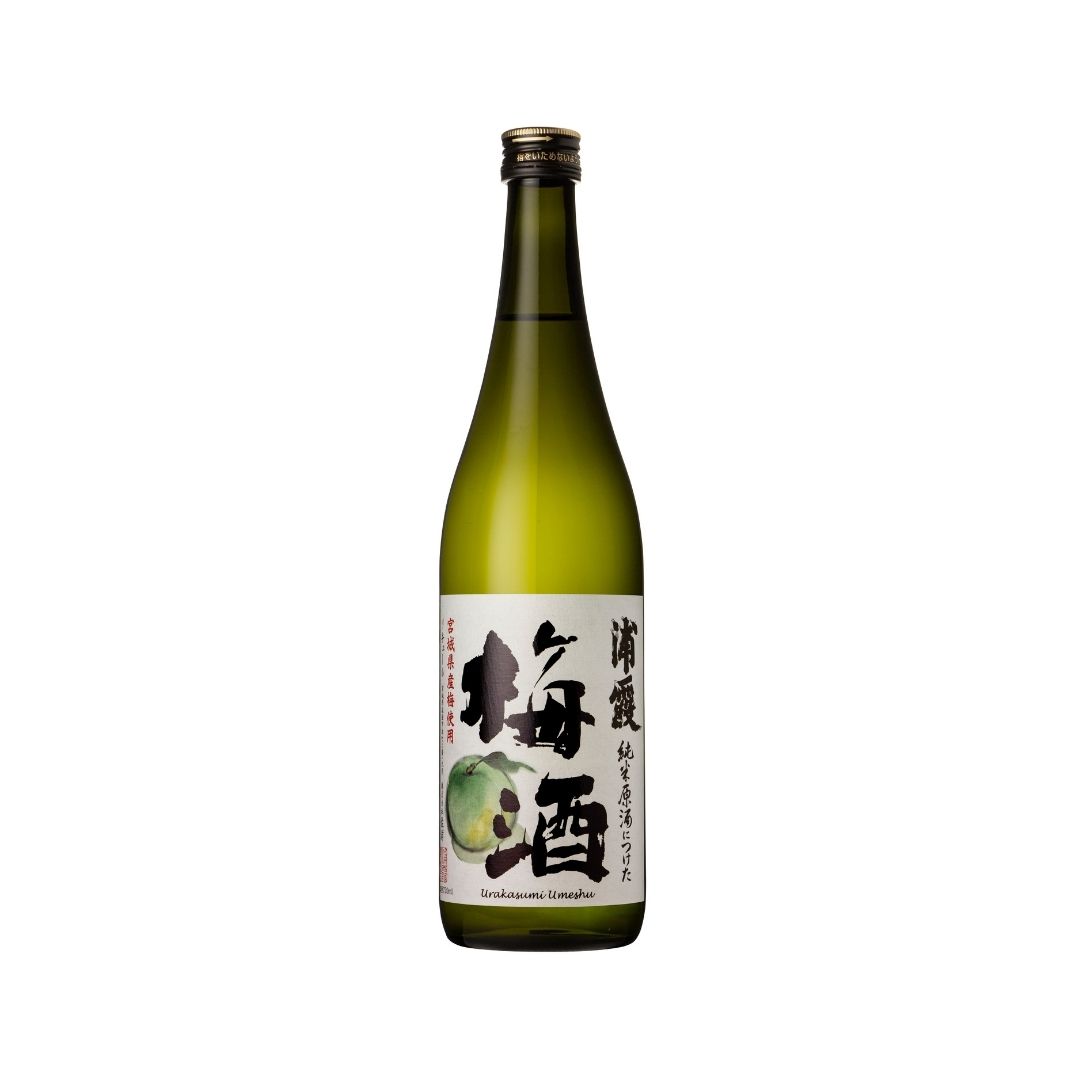
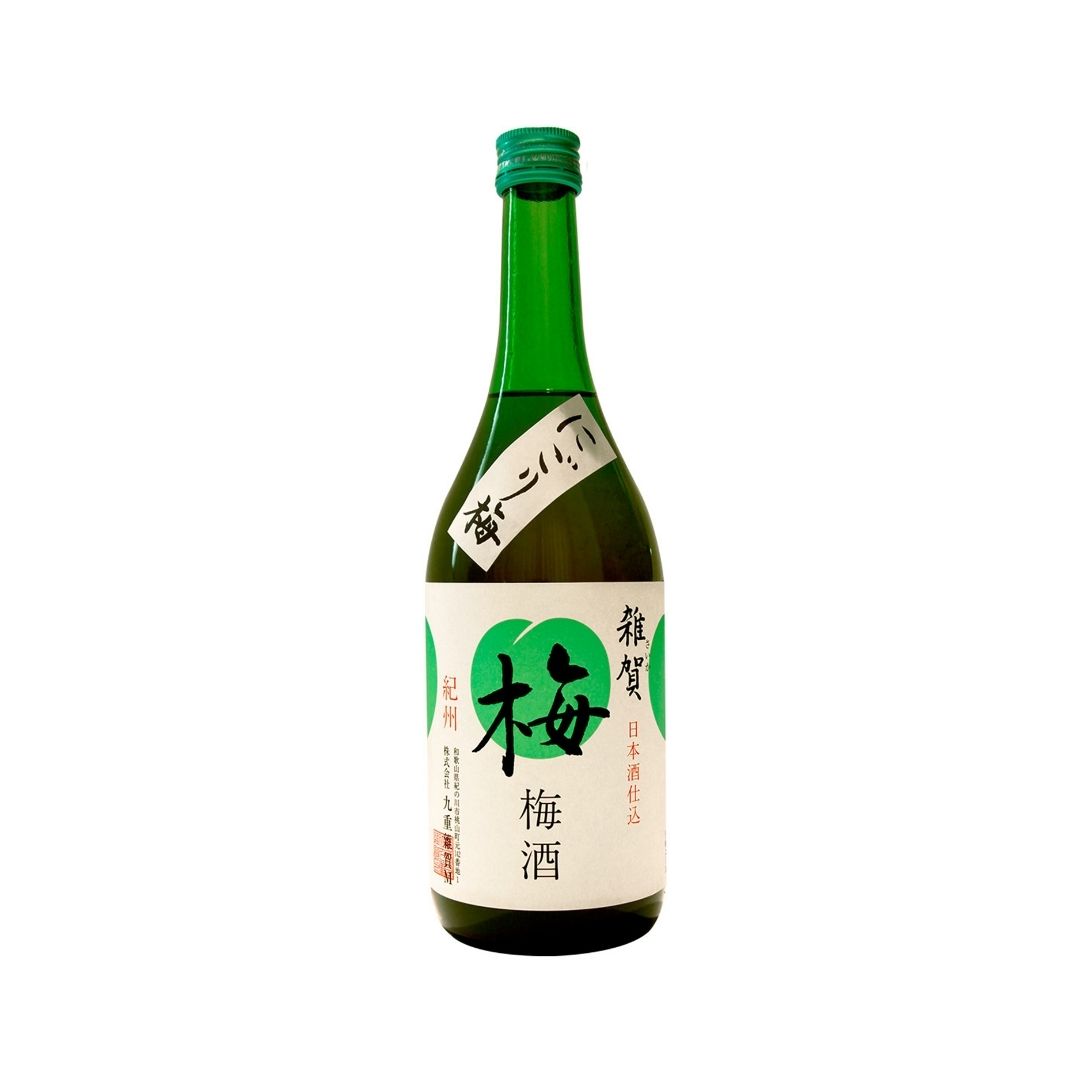
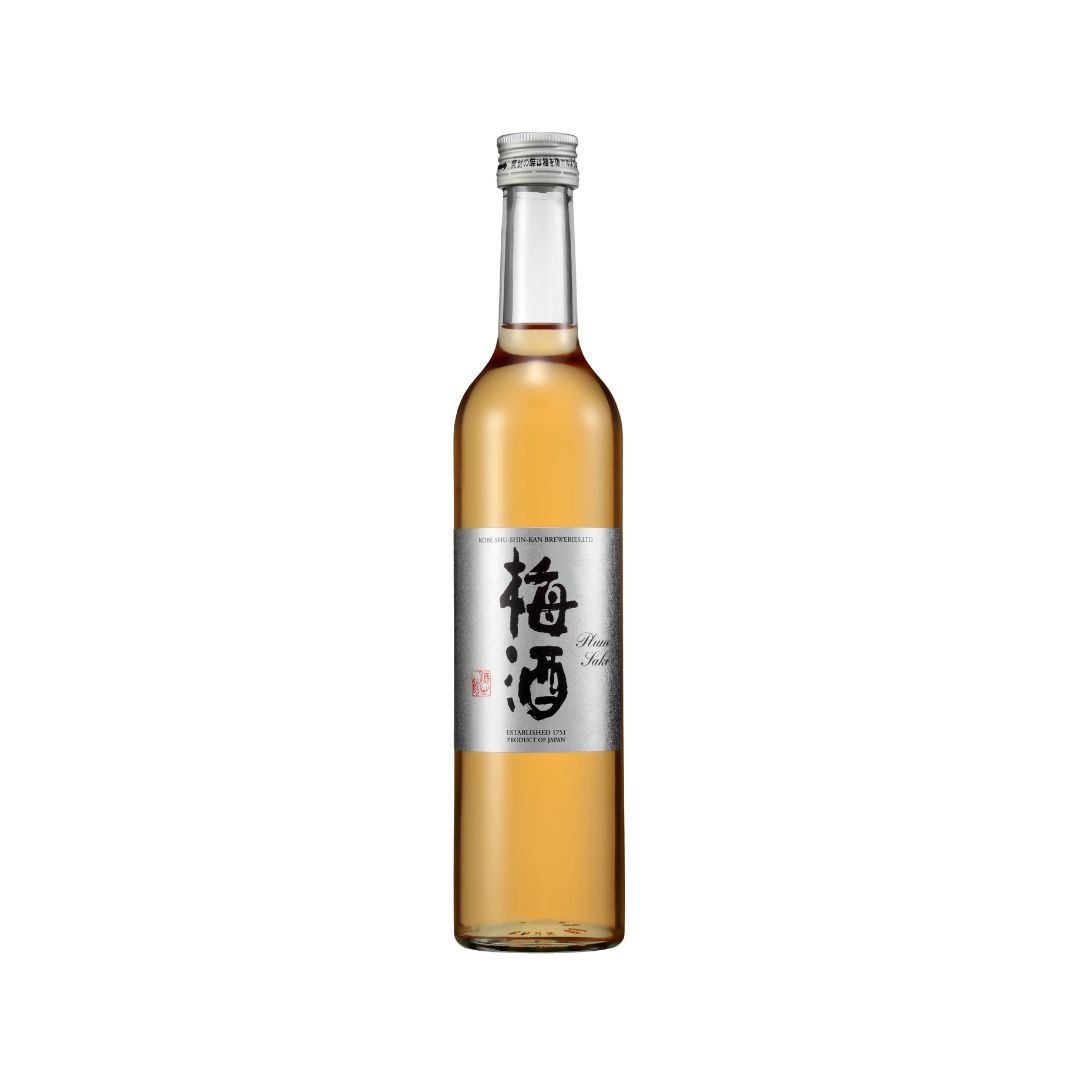
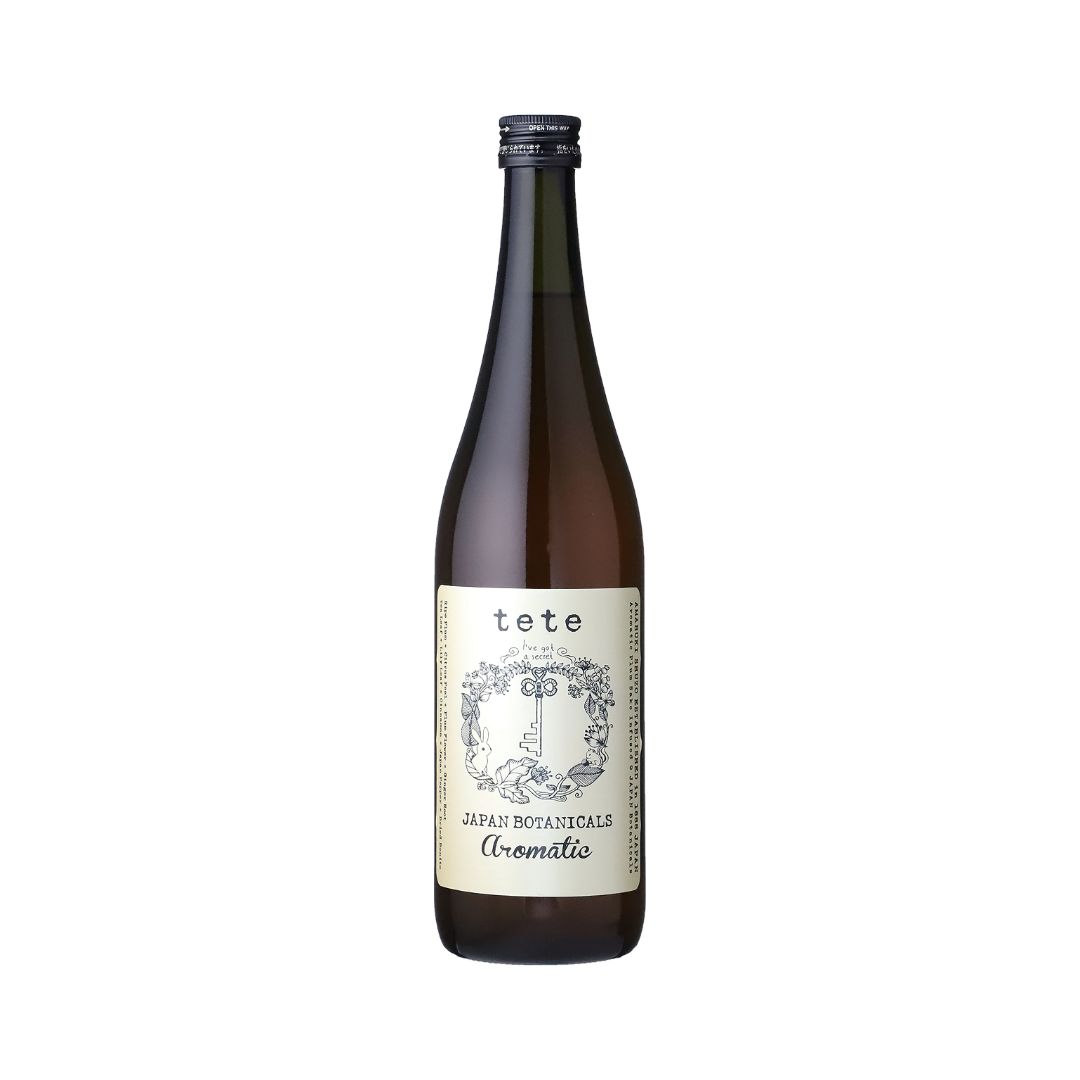
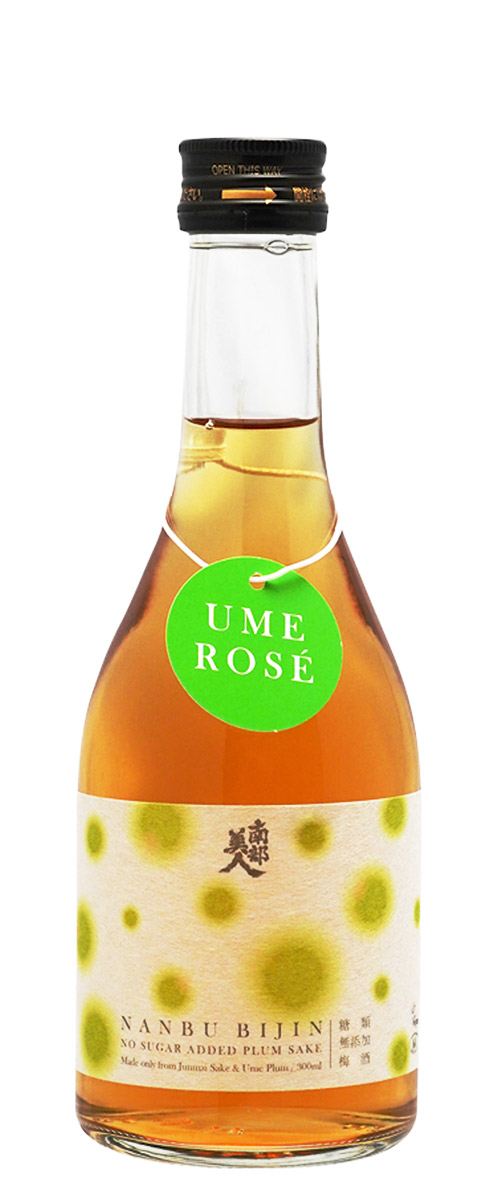
Every year, as summer approaches, Japan celebrates the harvest of one of its most iconic seasonal fruits: the ume. Often called the Japanese plum, ume is actually more closely related to the apricot. Its unique combination of fruitiness, refreshing acidity, and subtle bitterness has made it an essential ingredient in Japanese cuisine and beverages for centuries.
From the popular Umeshu plum liqueur to the intensely flavored Umeboshi pickled plums, ume plays a central role in Japanese food culture and is especially associated with the early summer season.
What Is Ume?
Ume (Prunus mume) is a stone fruit native to East Asia and widely cultivated throughout Japan. The fruit is harvested while still green between late May and July and is rarely eaten fresh due to its high acidity. Instead, ume is traditionally processed into a variety of products, including:
- Umeshu (Japanese plum liqueur)
- Umeboshi (salt-pickled ume)
- Ume syrup
- Ume vinegar
- Ume-based seasonings and condiments
For many Japanese families, preparing homemade ume products is an annual summer tradition.
Umeshu – Japan’s Famous Plum Liqueur
Umeshu is one of Japan’s most popular traditional alcoholic beverages. It is made by steeping green ume fruits with sugar in alcohol and allowing the mixture to mature over several months or years. The resulting liqueur offers a rich balance of sweetness and acidity, with aromas that may include:
- Apricot
- Honey
- Almond
- Citrus fruits
- Stone fruit
Thanks to its approachable flavor profile, Umeshu is often enjoyed by both experienced enthusiasts and newcomers to Japanese drinks.
How to Drink Umeshu
In Japan, Umeshu is commonly served:
- Chilled and neat
Over ice ("Umeshu on the Rocks")
- Mixed with soda water as a Umeshu Highball
- As an aperitif
- aired with desserts
Its refreshing character makes it particularly popular during the warmer summer months.
Umeshu Highball Recipe
A simple and refreshing Japanese summer cocktail:
Ingredients
- 50 ml Umeshu
- Ice cubes
- Soda water
- Lemon zest or a slice of lemon
Preparation
Fill a glass with ice cubes. Add the Umeshu and top with soda water. Garnish with lemon zest and enjoy immediately.
What Is Umeboshi?
Umeboshi are traditional Japanese pickled ume fruits preserved with salt and often colored red using red shiso leaves. Known for their distinctive salty and sour taste, Umeboshi have been a staple of Japanese cuisine for hundreds of years. Their bold flavor makes them a versatile ingredient in both traditional and modern dishes.
How Umeboshi Is Used in Japanese Cuisine
Umeboshi is commonly enjoyed:
- With steamed rice
- In bento lunch boxes
- As a filling for onigiri rice balls
- In salad dressings
- In sauces and marinades
One of the most recognizable images in Japanese cuisine is a red Umeboshi placed in the center of white rice, resembling the Japanese flag.
Ume, Umeshu, and Umeboshi – A Taste of Japanese Tradition
The annual ume harvest marks the beginning of summer in Japan and reflects the country's deep appreciation for seasonal ingredients. Whether transformed into sweet and fruity Umeshu or savory and intensely flavored Umeboshi, ume continues to play an important role in Japanese culinary culture.
For anyone interested in authentic Japanese food and drink, discovering ume is an excellent way to experience the flavors, traditions, and craftsmanship that define Japanese gastronomy.